
As financial institutions move beyond AI experimentation, tools like Claude for Financial Services and Perplexity Finance are becoming part of their day-to-day work. But how do these AI tools compare, and where do their limitations begin?
That’s what we’ll explore in this article.
As a leading AI enablement partner that has successfully delivered tailored AI solutions to over 100 clients in financial services and highly regulated industries, we’ll share our first-hand knowledge on these LLM tools designed for finance.
We’ll explain when it makes sense to use them out of the box, when deeper integrations make sense for your specific use cases and business goals, and how to drive standard adoption across your entire organization.
In this article:
- How Claude and Perplexity are changing for finance
- What to know about Perplexity Finance for financial services
- What to know about Claude for Financial Services
- What to know before using Claude or Perplexity Finance
- When it makes sense to use finance-specific LLM tools vs an AI consultancy
- Why partner with Neurons Lab
- FAQ
If you’re considering Perplexity Finance or Claude for Financial Services, we can help you assess how these tools fit into your workflows and what it takes to make them reliable at scale. Let’s talk.
How Claude and Perplexity are Changing for Finance
You’re probably already familiar with Perplexity and Anthropic’s Claude as popular Large Language Models (LLMs) and generative AI tools.
Now, by combining their general-purpose LLM cores with real-time internet search and financial tools and data sources integrations, Perplexity and Claude for Finance act as your smart search assistants and natural-language chatbots. They can turn time-consuming manual research and insight gathering into automated summaries of market news, S&P futures, research reports, earnings reports, and more in an instant.
This makes Perplexity and Claude AI for finance great for growing productivity, especially for independent advisors, financial professionals, and lean teams.
This means you’re likely already using Perplexity Finance within your organization for quick market research and insights. And you might even be experimenting with Claude Cowork, Anthropic’s agentic AI assistant that lives on your desktop and helps automate routine day-to-day tasks, for various tasks, from creating presentations to drafting emails.
But as a financial services firm, you may be questioning how you can extend these tools beyond one-off productivity gains to:
- Work with complex legacy or fragmented infrastructure
- Integrate with your organization’s internal systems
- Match your specific use cases, client needs, and compliance requirements
Here’s what you need to know about each of these offerings.
What to Know about Perplexity Finance for Financial Services Firms
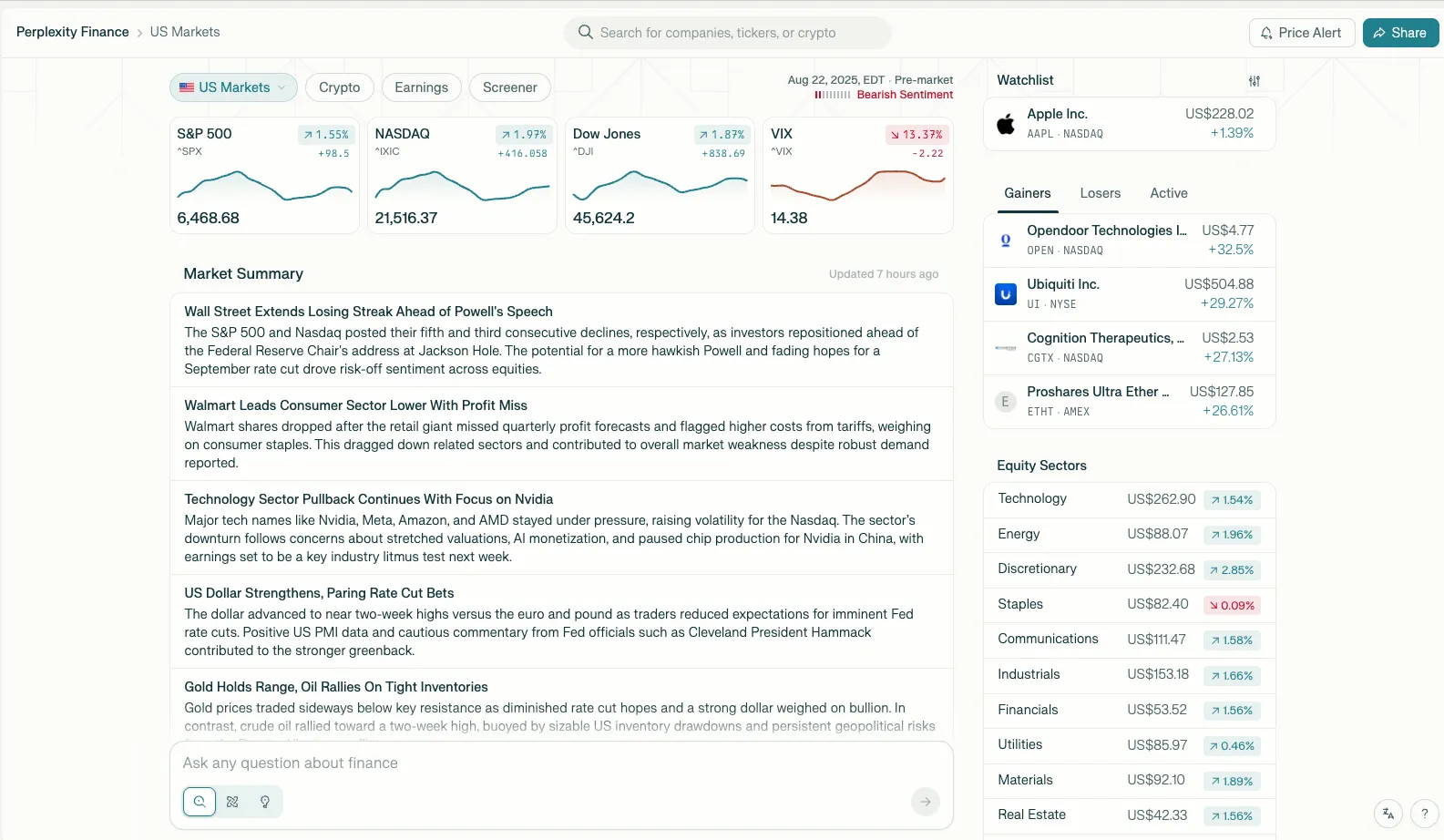
Image source: Perplexity
Perplexity AI for finance is built for the financial sector. It combines its LLMs with real-time internet search and integrated finance data from sources like Morningstar, SEC/EDGAR, Crunchbase and FactSet. This allows it to deliver current, source-backed answers to finance queries and follow-up questions.
For example, in general Perplexity search mode, a query about Apple’s performance may return a vague summary blending old training data and generic web content:
“Apple stock prices might go up because some analysts are optimistic, but others are cautious about market conditions.”
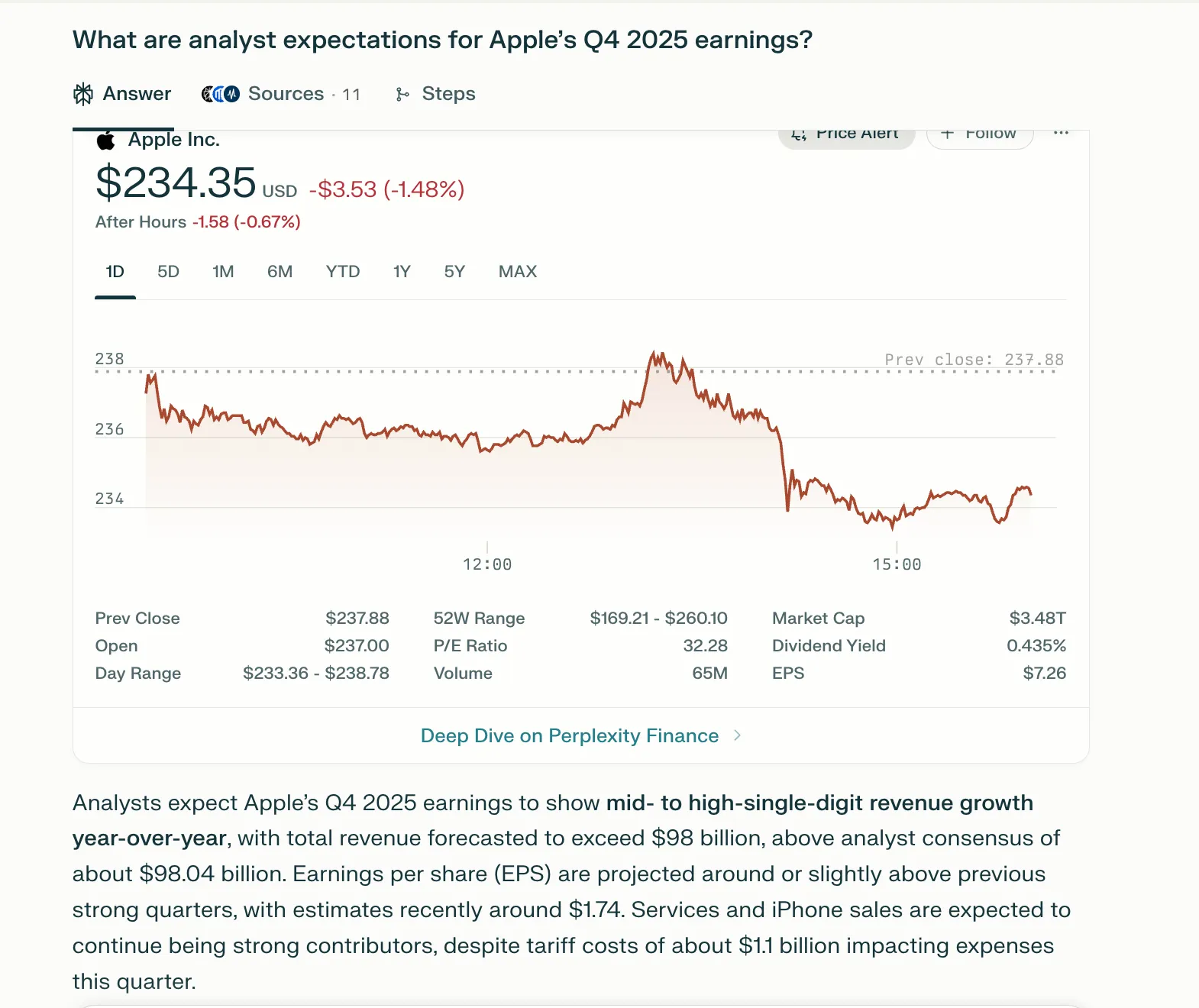
With Perplexity Finance, the answer draws on finance-specific tools:
“According to Bloomberg and CNBC, analysts project Apple’s revenue to grow 6% in Q4 due to strong iPhone demand.”
Perplexity AI finance response example
This makes Perplexity’s finance-specific answer engine a market research co-pilot. It compresses hours of research into instant market summaries and reduces the risk of missing signals by drawing on real-time data.
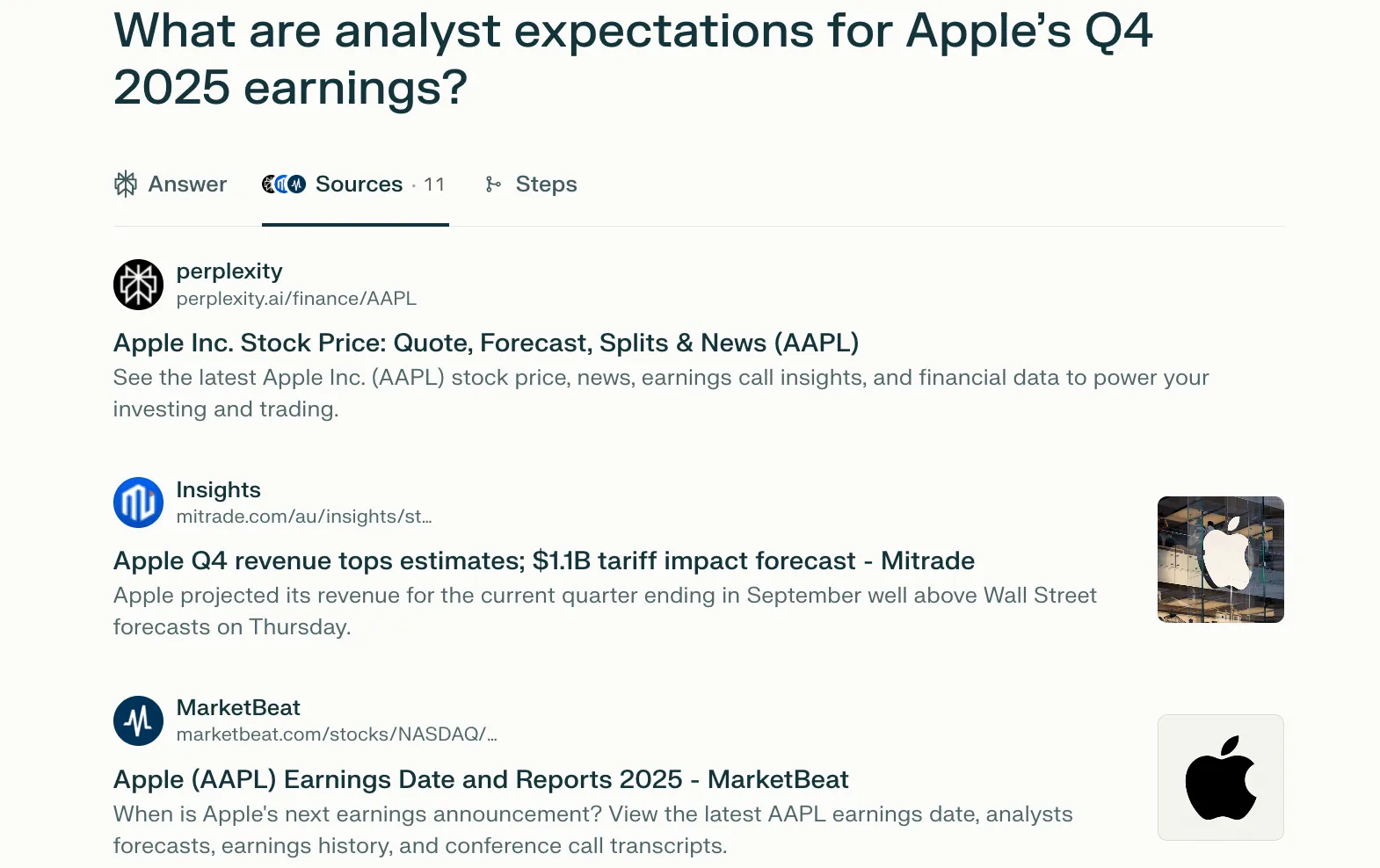
It also shortens the learning curve for junior staff by simplifying complex topics with cited sources, helping to verify accuracy.
Source citing in Perplexity’s finance model
How to Use Perplexity Finance
With Perplexity Finance, you can:
- Speed up risk monitoring by tracking VIX movements and understanding the latest geopolitical or regulatory changes that might affect financial positions
- Quickly identify deals and opportunities, like knowing which startups, public companies, private companies, or industries are worth watching
- Perform real-time market research by summarizing financial news, tracking prediction market indicators from platforms like Polymarket, comparing companies or sectors, and following macroeconomic indicators and price movements with clear explanations
- Support in-depth financial analysis and valuations by condensing earnings calls, aggregating analyst research, and extracting key fundamental metrics directly from SEC filings.
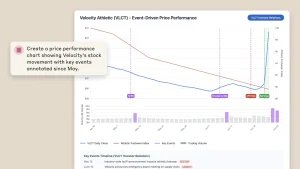
As an industry-specific LLM tool, it automates routine market analysis and stock market research, making it useful for finance professionals like traders and advisors. When paired with Perplexity Pro, Perplexity Labs and its open API , you can build dashboards, presentations, strategies, and custom applications that embed directly into workflows.
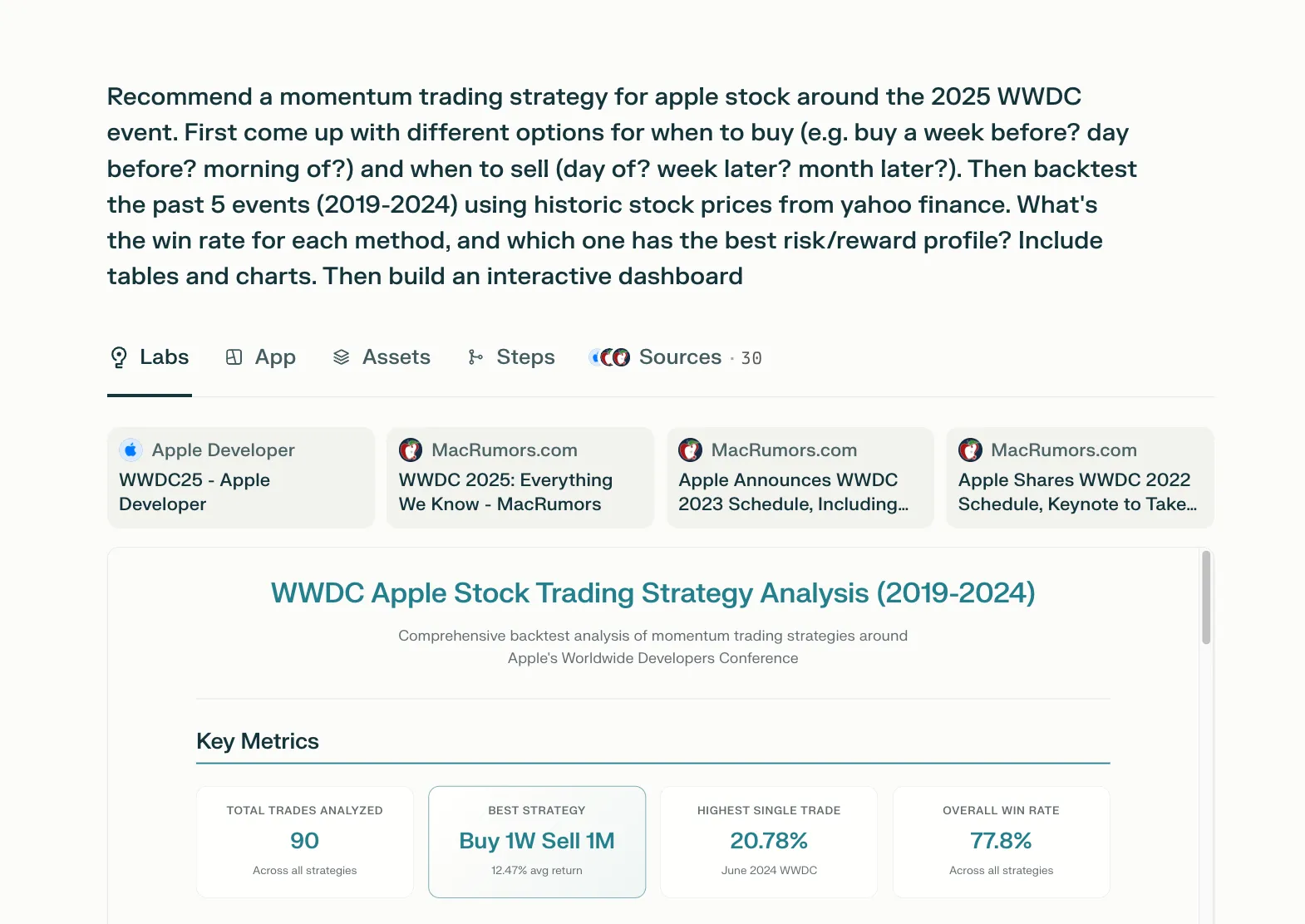
Developing custom applications with Perplexity Labs
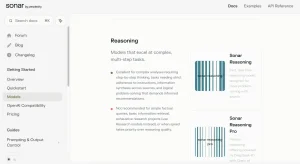
Perplexity’s OpenAPI
According to some users, its current limitations include handling complex analysis and providing global coverage beyond the US markets and India, so you need to pair it with local financial data terminals.
What to Know About Claude for Financial Services
Like Perplexity, Anthropic’s Claude for Financial Services combines its core LLMs with finance-specific data sources and real-time search to provide cited answers.
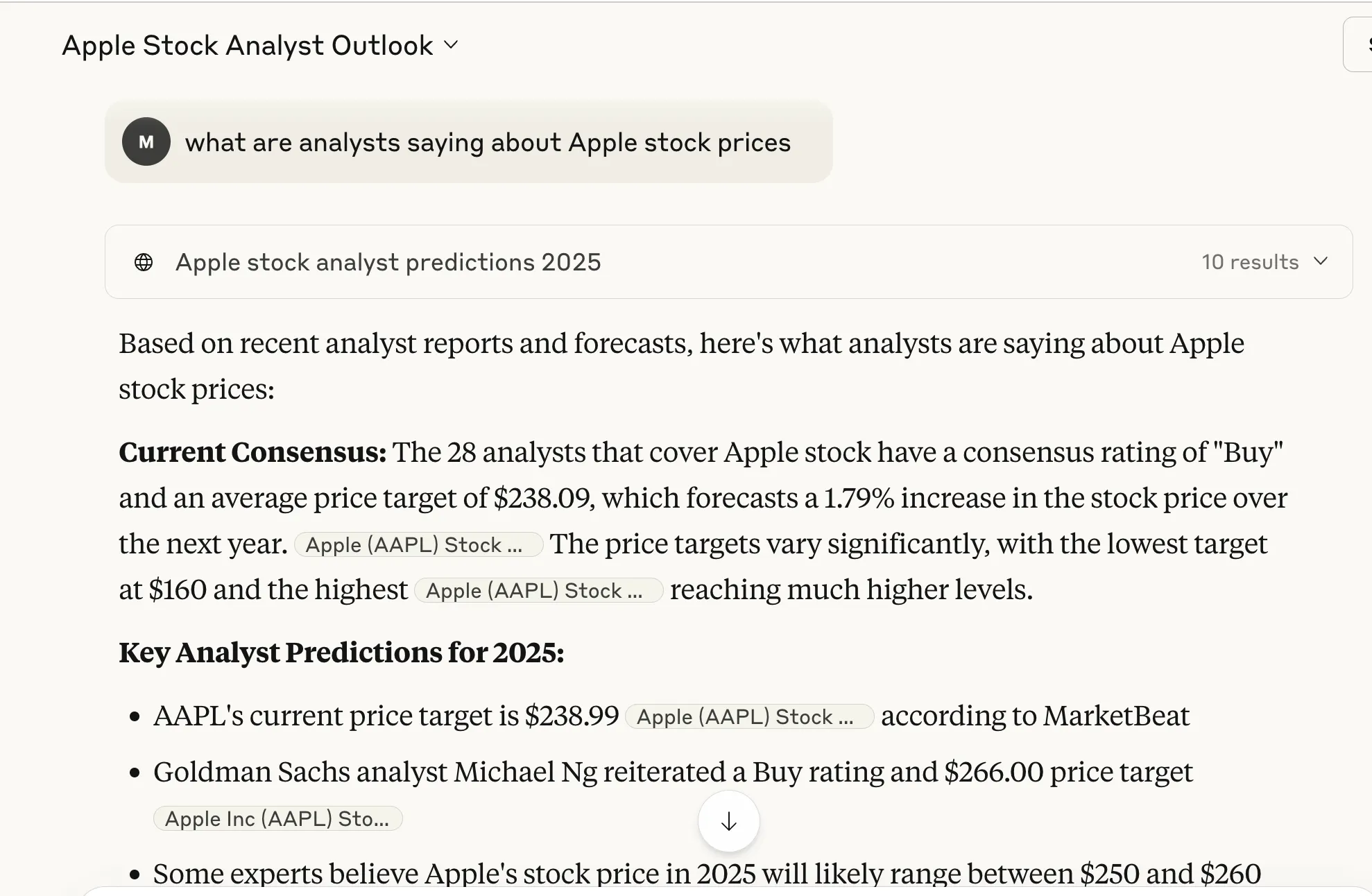
Cited sources in Claude for finance
Unlike Perplexity Finance, it has stronger finance-focused reasoning, as shown in industry benchmarks.
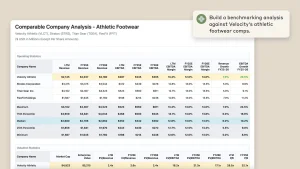
Building benchmarking analysis with Claude Finance
Claude’s finance-specific ecosystem also goes further on customization.
With low-code and minimal setup, firms from private equity to investment banking can connect live market feeds and internal data from platforms like Databricks and Snowflake. Pre-built connectors extend to leading providers such as Box, Daloopa, Palantir, PitchBook, and S&P Global, allowing teams to begin analysis without heavy integration work.
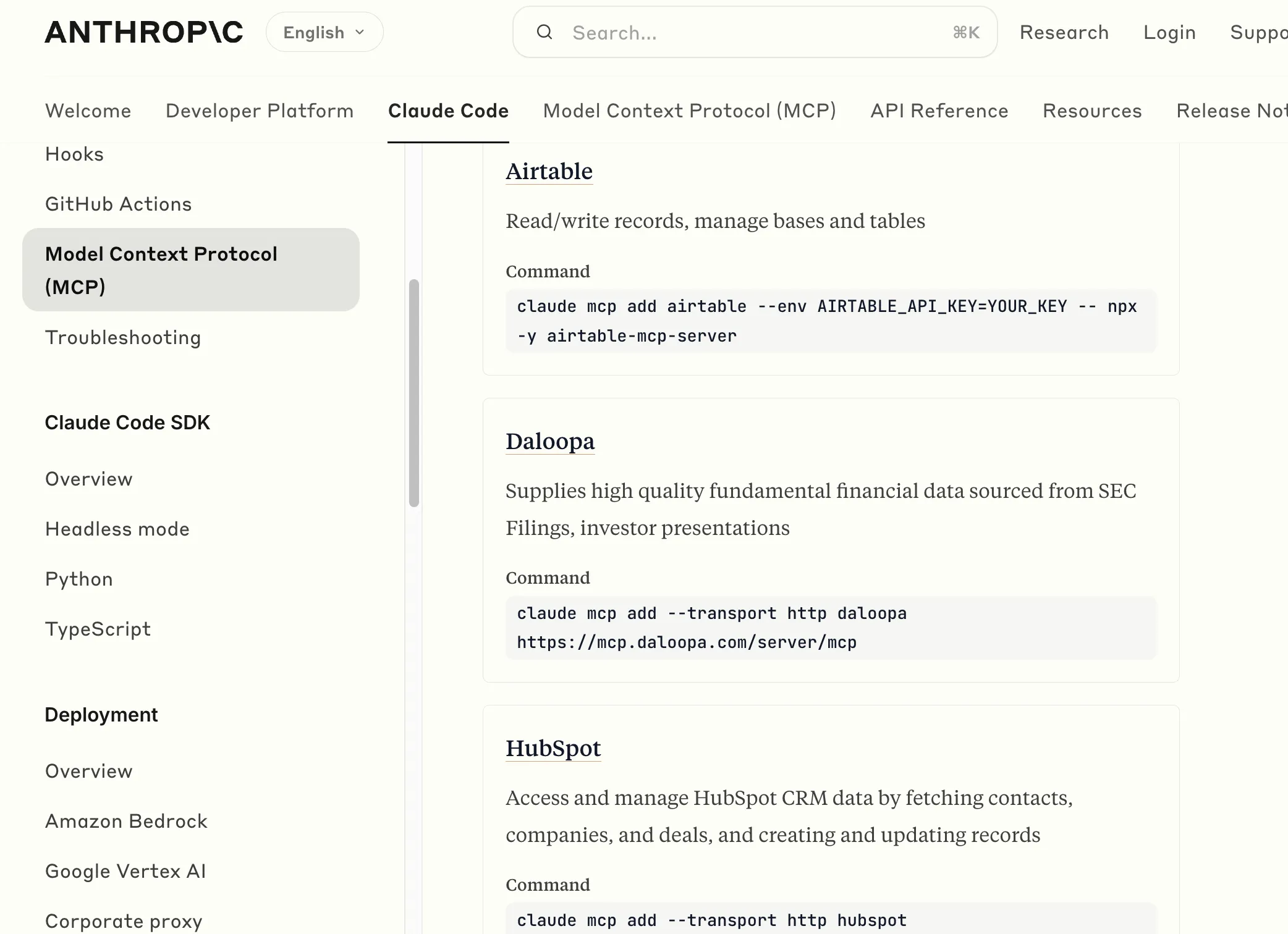
Claude connectors within Anthropic
How to Use Claude for Financial Services
Firms with advanced technical resources can use Claude for Enterprise and Claude Code to modernize legacy systems, build proprietary financial models, and run heavy workloads without usage caps. This enables large-scale simulations, risk modeling, compliance automation, and handling peak periods such as earnings season or deal deadlines.
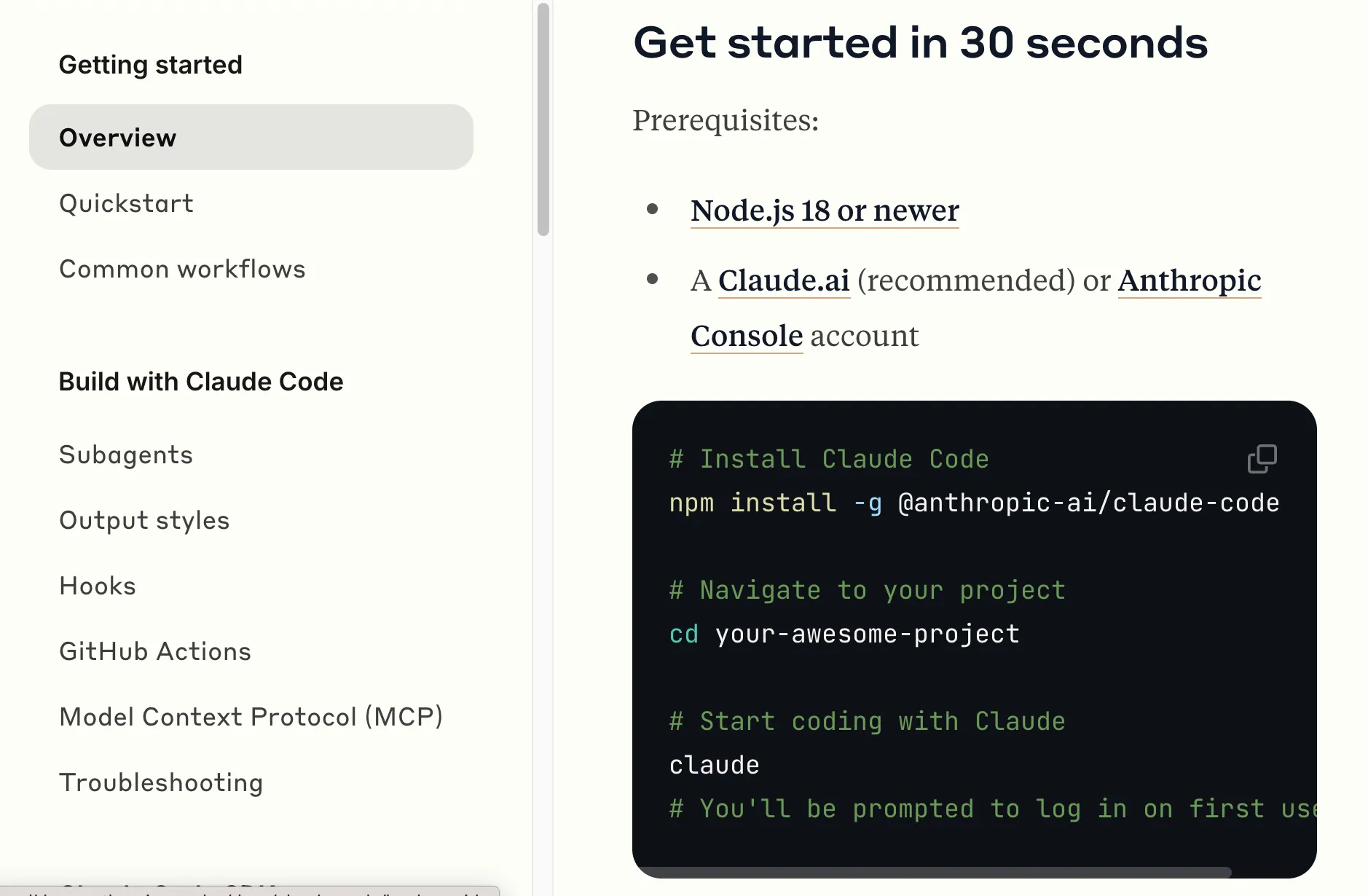
Claude Code
Claude’s API also allows firms to design custom workflows for underwriting, compliance, customer experience, or back-office operations.
Claude API
These capabilities mean Claude works well with financial services firms with in-house or outsourced engineering, quant, or data science capacity. Typical applications you can create and customize include:
- Competitive benchmarking and portfolio analysis
- Risk assessment and modeling
- Financial modeling with audit trails
- Institutional-quality memos and pitch decks
- Compliance and document automation
- Portfolio monitoring, watchlists, price alerts, and opportunity identification
- Deep research, decision support, due diligence, and reporting
For financial services companies without technical expertise, Claude partners with consulting firms, such as Deloitte, PwC, and TribeAI, for AI adoption support.
To understand how Claude Cowork is changing the game even further for FSIs, see our guide: What can you do with Claude Cowork in Financial Services
What to Consider Before Using Perplexity or Claude for Financial Services
Using the finance versions of Claude and Perplexity out of the box can be a great time and effort saver if you’re doing heavy market analysis, such as how high-net-worth individuals (HNWI) are shifting their allocation across asset classes and alternative investments.
But if you need more robust solutions that you can integrate with complex infrastructure and large product portfolios and client data, here’s what you need to know before attempting to build out a custom AI solution in house with these LLM tools:
1. Add A Layer Of Checks And Balances To Reduce Hallucinations
Both Perplexity’s and Claude’s multi-source verification and citing provides instant cross checking to reduce hallucinations. And its ability to pull up-to-date financial information on demand prevents it from providing outdated figures or making up numbers.
Even so, their financial data analysis may not always be correct.
A best practice to ensure greater accuracy is adding another layer of checks and balances by setting up custom workflows and validation rules to ensure LLM tools stay on track. This prevents you from using inaccurate data that could infringe regulations, bringing reputational damage, increased scrutiny, and fines.
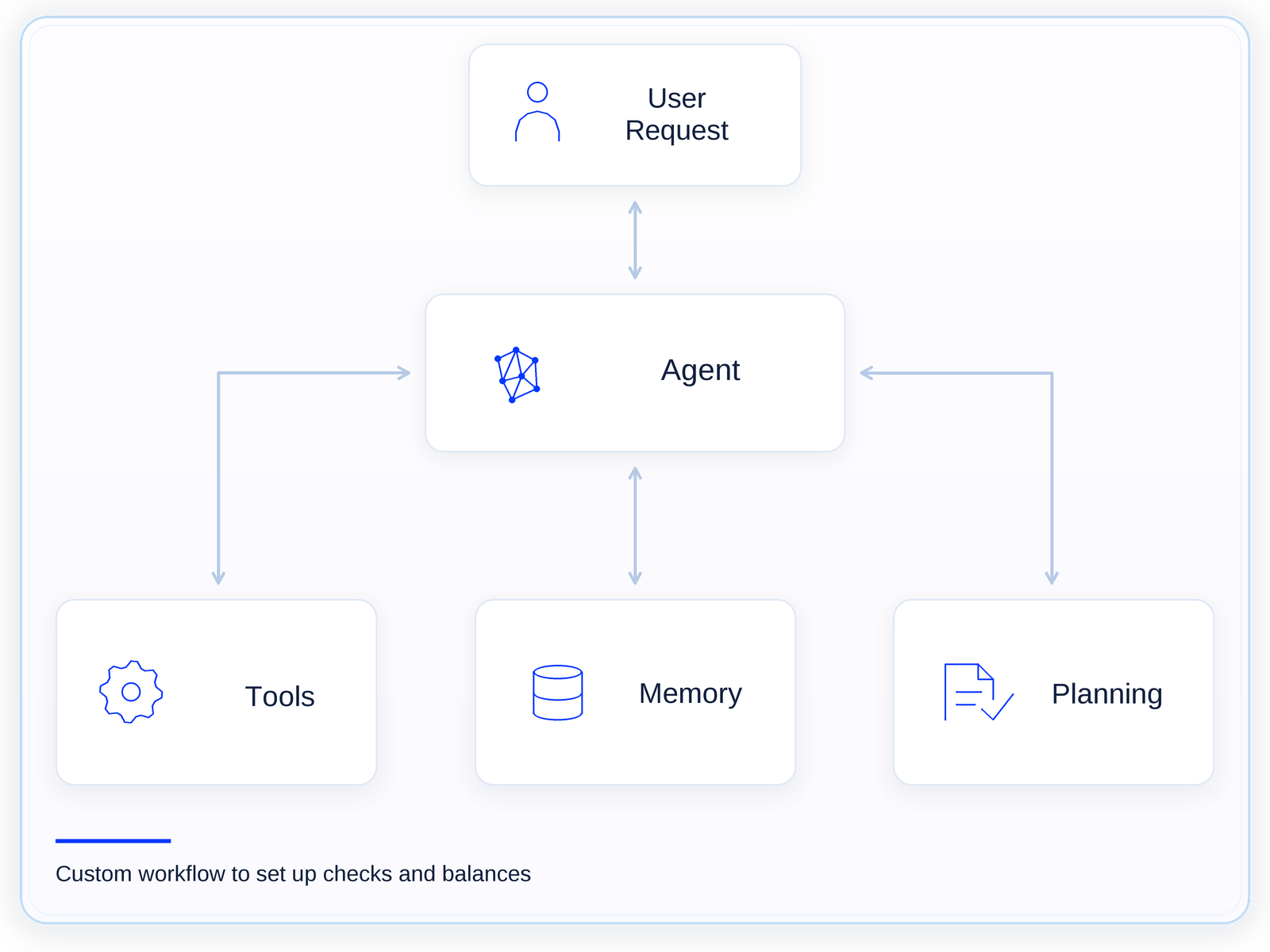
Custom workflow to set up checks and balances
2. Create Clear Guidelines To Ensure Compliant Use
An organizational framework that defines how AI fits into workflows ensures you use it responsibly and effectively. This is especially important if your firm has multiple business lines, dispersed teams, and layered compliance structures, where misaligned use can create risk. A clear framework should:
- Define who can use AI tools and for which purposes
- Establish accountability for AI-generated decisions
- Monitor performance against internal policies and regulatory requirements
- Maintain audit trails so every recommendation can be traced and explained
Technical integration adds another layer of complexity. Legacy systems, proprietary datasets, company financials repositories, and fragmented infrastructure often require custom engineering to connect with AI tools.
While Claude Cowork, Anthropic’s agentic AI assistant, offers standard integrations to access popular ERP systems and the Microsoft ecosystem, including Excel models, connecting proprietary financials might require custom work to align with existing infrastructure. Without the right technical setup, forecasting with these tools may also be limited.
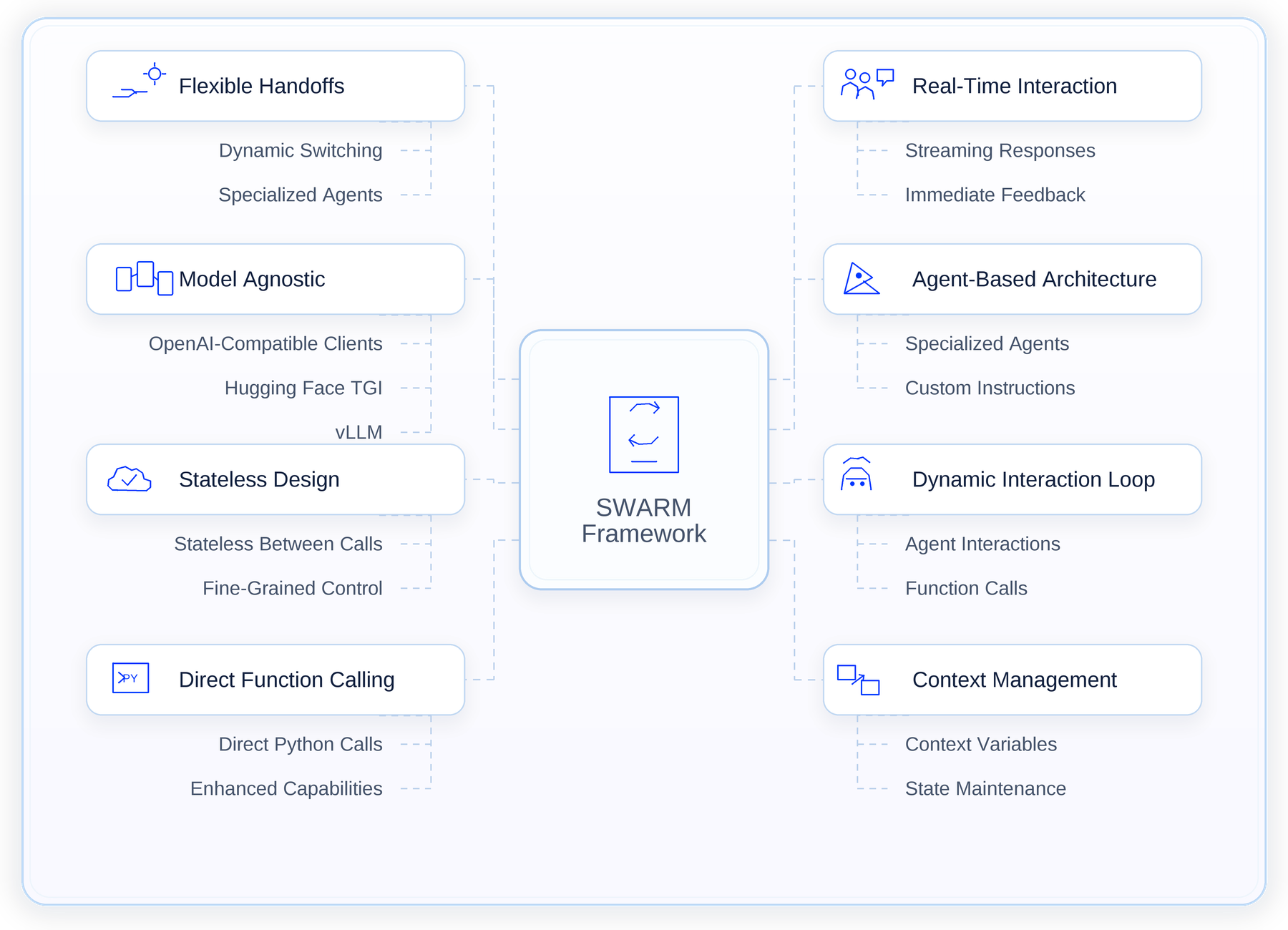
Careful planning across both organizational and technical dimensions reduces your risk of compliance breaches, misinformed decisions, and costly rework.
3. Build for Safety to Keep AI Behavior Predictable
Safety measures ensure AI output remains reliable. Claude and Perplexity Finance do not store private data unless you input it, but you should still be cautious. Avoid pasting or uploading confidential information unless you are in a controlled environment.
Enterprise Pro plans offer stronger safeguards, including encryption, SOC 2 compliance, and a guarantee that your data will not be used for model training. Even so, you’ll often need to create custom controls to reduce the risk of mistakes or misuse. These can include:
- Human review before final decisions
- Data filters that block access to sensitive information
- Output restrictions to limit compliance or legal exposure
- Automated alerts when results are uncertain or carry higher risk
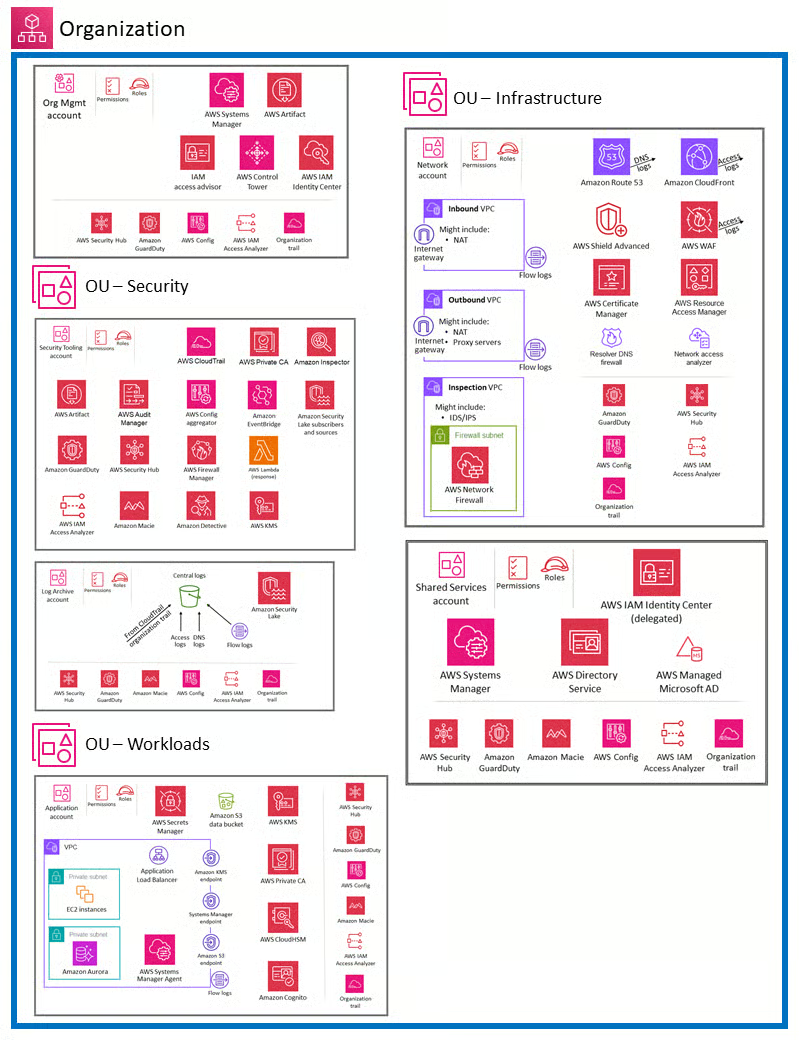
An example of an AWS secure architecture
By embedding these safeguards into workflows, you can reduce the likelihood of breaches, regulatory issues, and operational disruptions.
When it Makes Sense to Partner With An AI Consultancy to Integrate Tools Like Perplexity and Claude for Financial Services
While Claude for Finance and Perplexity Finance offer strong out-of-the-box value for small firms, and integration options that work well for startups and fintechs, mid to large financial firms may find these tools do not deliver enough efficiency gains on their own.
Mid-market firms may face deeper organizational, technical, and regulatory complexity. You’ll need to integrate AI with fragmented infrastructure and proprietary datasets, meet strict security and compliance standards, and adapt tools to reflect deal histories, client portfolios, and internal risk frameworks. LLM tools on their own cannot meet these requirements.
AI consultancies fill this gap. They bring the technical, strategic, and regulatory expertise to:
- Connect Claude, Perplexity and other LLM tools to internal data sources securely
- Constrain outputs to business policies, such as limiting product recommendations to those approved by the Chief Investment Office (CIO)
- Ensure every recommendation is explainable, with citations that also link back to internal official reports or filings to create full audit trails
Consultancies also help you establish governance structures. They define what AI can automate (e.g., client decks, research summaries) and what requires human oversight (e.g., final investment recommendations).
They assign accountability so your asset managers, underwriters, CIO offices, and compliance teams remain responsible for outputs, avoiding a situation where “the AI said it” becomes a justification.
Beyond compliance, consultancies design reasoning frameworks such as knowledge graphs or triage logic. These help your portfolio managers prioritize clients, frame conversations, and identify relevant products. They also build strategic roadmaps to align AI adoption with enterprise goals, such as growing client assets, increasing share of wallet, or improving revenue.
For larger firms, consultancies make AI not just faster but safer, more reliable, and aligned with business priorities.
How to Approach Integrating Perplexity or Claude for Financial Services
The right approach depends on firm size, technical capacity, and regulatory environment, as the table below shows:
| Firm Type | Best Approach | Example Uses | Why This Fit Works |
|---|---|---|---|
| Individual financial advisors / small firms | Use Claude or Perplexity out of the box | Pull earnings call transcripts into memos, run peer comparisons in Excel | Low cost, easy setup, no heavy integration required |
| Startups and fintechs with development teams | Build custom integrations with Claude / Perplexity APIs | Embed AI in underwriting workflows, connect risk dashboards to Snowflake, automate compliance checks | Technical resources allow deeper customization and automation |
| Mid-to-large enterprises ($500M+ revenue) | Work with AI consultancies | Integrate AI with fragmented systems, align outputs with proprietary data, scale across compliance-heavy workflows | Enterprises need expertise to manage complexity, regulatory risk, and organization-wide deployment |
Not sure where your firm fits? Most firms we speak with don’t fall neatly into one category. Book a 30-minute call and we’ll help you figure out the right approach for your setup.
Why Work With Neurons Lab For Your Custom AI Finance Solution
Earlier, we outlined why some financial institutions need help even with out-of-the-box finance-specific AI tools like Claude and Perplexity. Firms require governance, secure integration with proprietary data, and adoption frameworks that match regulated workflows.
This is where Neurons Lab operates.
We help Financial Services firms move from AI experimentation to AI adoption at scale.
As an AI enablement partner serving organizations across the US, Europe, and Asia, Neurons Lab combines executive training, AI adoption programs, and custom AI agent builds to support secure, practical deployment. Clients build operational AI capability aligned with core workflows, governance, and business priorities.
Trusted by 100+ clients, including HSBC, Visa, and AXA, we’ve accelerated AI integration in banking, wealth management, private equity, investment firms, fintechs, and other highly regulated industries.
For example, we help you:
- Define a clear AI vision, build a strategic roadmap, and align executive teams around governance and business goals
- Develop secure data systems and scalable infrastructure, reducing cloud costs and improving performance as an AWS Advanced Tier Partner
- Test solutions through proofs of concept, then move into deployment with measurable business outcomes, such as higher AUM or lower operating costs
- Increase adoption across the firm with tailored enablement programs that include role-specific training, reshaping workflows, and embedding AI into daily operations
- Integrate Claude, Perplexity, OpenAI’s ChatGPT, Google Gemini, Llama or other LLM tools with your existing systems, tailoring use cases for analysts, portfolio managers, advisors, and underwriters
Here is why it makes sense for enterprises to partner with Neurons Lab when a single LLM tool isn’t enough.
You’ll Turn Individual AI Experiments Into Organization-Wide Capability
Most firms already have employees experimenting with Claude or Perplexity. The challenge is creating consistent ways of working across teams.
Through our AI adoption program, Neurons Lab helps organizations develop role-specific AI instructions (i.e., AI skills), reusable prompt libraries, and adoption frameworks so teams use AI consistently, securely, and effectively.
Workshops align leaders on the AI strategy roadmap, understanding where to start and how to progress. Role-specific training enables domain experts to start experimenting with AI so they can see its potentiality.
They’ll start to see for themselves that:
- Meeting preparation accelerates from hours to minutes
- Wealth managers walk in with real-time insights and personalized briefing materials specific to each client
- Client conversations become more targeted, proposals more accurate, and trust stronger
This will get them motivated and help them define which workflows and use cases make the most sense.
At scale, this reduces knowledge bottlenecks, speeds onboarding of new managers, and enables experienced staff to handle more accounts. Firms can serve more clients, expand assets under management (AUM), and grow revenue without compromising compliance or service quality.
Once those foundations are in place, organizations are in a much stronger position to identify where custom AI agents will create measurable business value.
Learn how we helped Visa integrate LLM tools into its systems, creating a message constructor with compliance checks and multilingual support for faster, more efficient communications.
You’ll Deploy Claude or Perplexity Safely Across Your Organization
Generic LLM tools and GPTs can cite sources, but they are not grounded in your firm’s investment outlook or CIO-approved products. This creates compliance risks and generic recommendations.
Neurons Lab helps firms standardize how Claude or Perplexity are used across finance teams. That includes defining approved prompts, connecting trusted data sources, implementing access controls, monitoring usage, and creating governance policies so employees can use AI confidently without creating compliance risks.
Each recommendation is fully traceable, creating an audit trail that satisfies both internal governance and regulatory requirements.
You can also embed automated compliance checks, such as using Claude Cowork as a second-pass layer, and set up human reviews before final decision-making.
With Neurons Lab, Claude and Perplexity become true AI assistants that your managers can trust because they support financial analysis and client conversations with clear, auditable reasoning.
For one Luxembourg investment firm, we helped reduce reporting time from 20 to 5 days, cut error rates by 90%, and increase investor satisfaction by 40% while ensuring traceability.
Learn more: Established Investment Firm Leverages AI to Drive Operational Excellence and Strategic Growth
You’ll Extend Claude or Perplexity Into Your Core Business Workflows
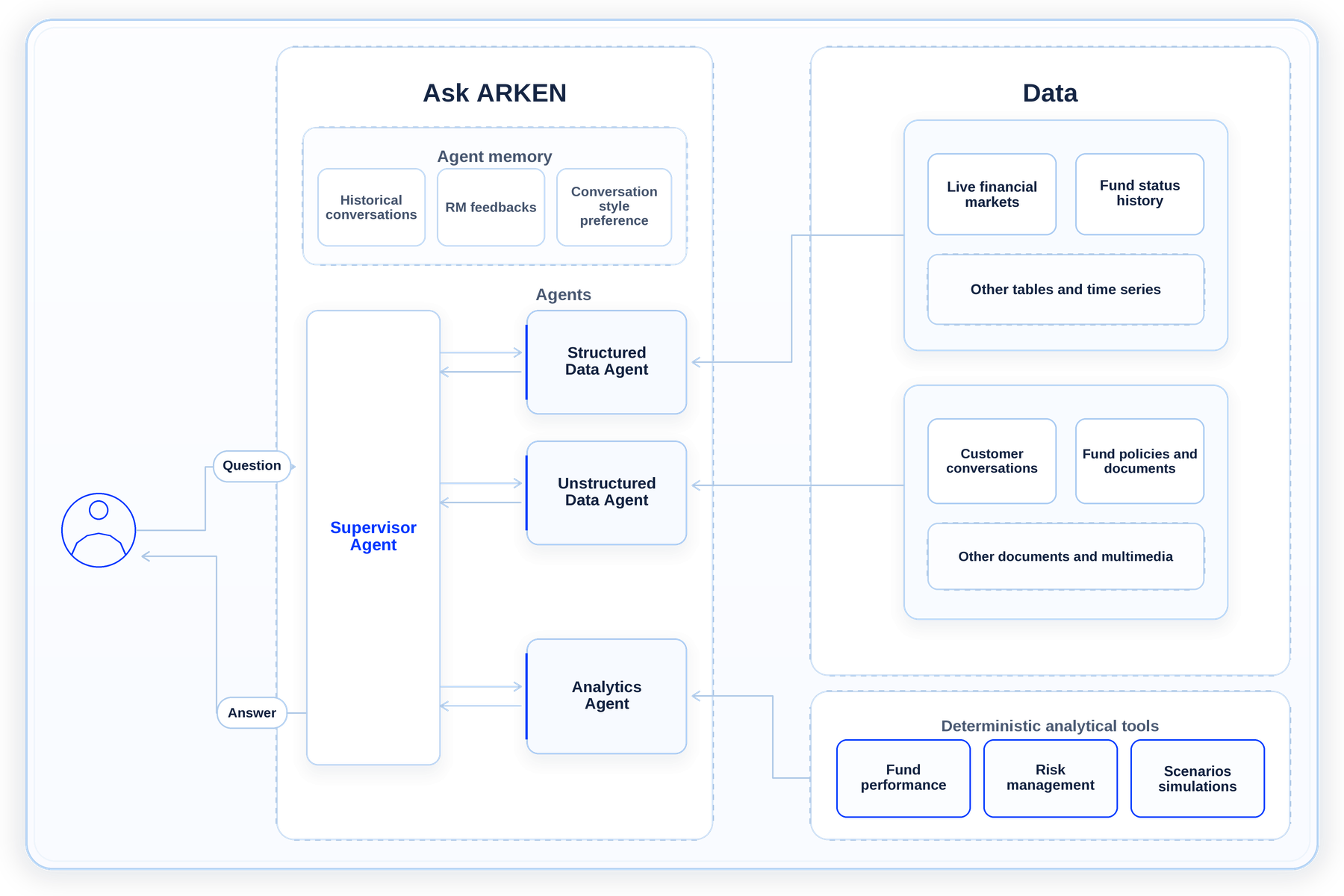
An example of a custom agent build with Neurons Lab
Claude and Perplexity solve many problems out of the box. Eventually, most financial firms reach workflows where packaged AI is no longer enough. That usually happens when teams need AI to combine proprietary data, business rules, approval processes, and internal systems into a single workflow.
With Neurons Lab, you extend Claude and Perplexity’s capabilities with custom agent builds. You can connect AI models like Perplexity or Claude Finance to complex infrastructures and multi-step workflows that span from internal CIO reports (weekly, monthly, quarterly) and systems of record like Avaloq and Temenos to CRMs containing client data and history and external verified data from data providers like Bloomberg, FactSet, Financial Modeling Prep, or S&P.
We then add a reasoning layer with knowledge layers and workflow agents that combine these inputs.
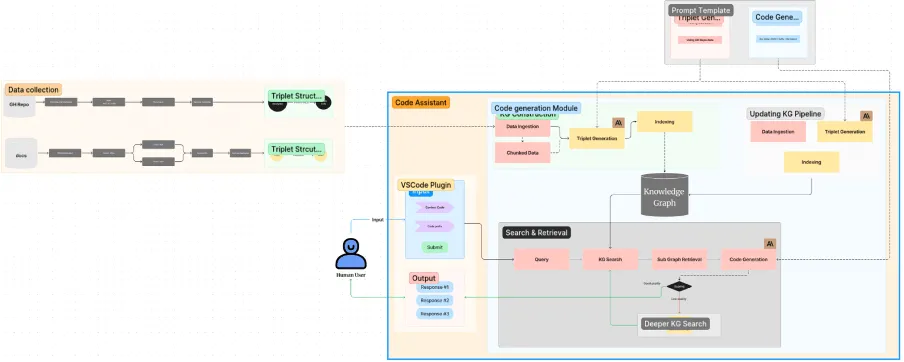
This allows your custom agent to link market events with a client’s portfolio and approved products, then frame the information into actionable guidance. The result is a conversational interface that thinks and works like a junior analyst, producing client-ready insights while reducing manual cross-checking.
This reduces manual cross-checking and frees your managers to focus on client advice.
How a Wealth Management Firm Extended AI Beyond Standard LLM Tools
One wealth management client needed an AI assistant that combined proprietary market data, internal policies, and customer information into a single workflow.
While off-the-shelf LLMs could answer questions, they couldn’t execute the firm’s process reliably.
Neurons Lab developed a custom AI solution that integrated these data sources, embedded business rules and governance frameworks, and supported analysts with traceable, compliant outputs.
The solution supported real wealth manager workflows. Relationship managers could automate prep, proposal generation, compliance checks, and post-meeting documentation, so teams spent more time with clients, and less time chasing data.
By orchestrating multiple agents, teams could handle market analysis, portfolio prep, and compliance checks quickly and generate client-specific insights with clear reasoning chains.
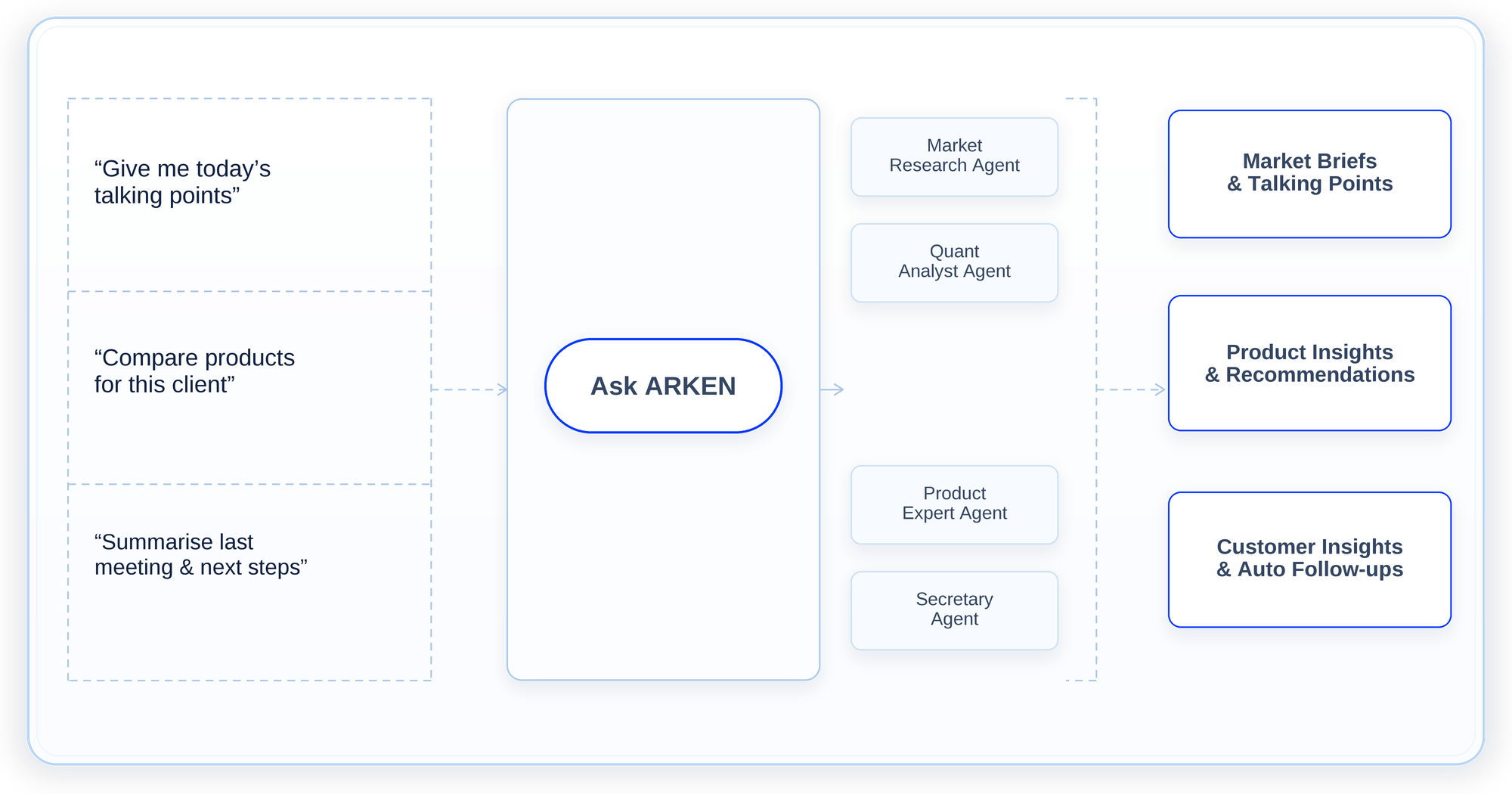
Neurons Lab’s custom solution for wealth management
Recent deployments show measurable outcomes, such as
- 30% client capacity increase without adding headcount
- 2x more client engagement touchpoints
- 15–20% lift in Net Promoter Score (NPS)
From Perplexity Finance and Claude for Finance to enterprise-scale AI with Neurons Lab
Large language models like Claude and Perplexity Finance show how AI can speed up research and routine analysis. For independent advisors and smaller firms, these out-of-the-box tools are often enough to boost efficiency. For enterprises, the challenges are different. Legacy systems, proprietary data, compliance demands, and scale require more than what generic LLM tools can offer on their own.
That is where specialist consultancies add value. They provide the technical, strategic, and regulatory expertise to turn promising tools into reliable systems that support portfolio managers, analysts, and advisors in their day-to-day work.
At Neurons Lab, our focus is building AI-powered solutions tailored to financial services. By combining integration, compliance, and scalability, we help firms move from experimentation to systems that deliver measurable outcomes, such as increased client capacity, faster onboarding, and growth in assets under management.
If you’d like to see how this approach could apply to your firm, we’d be glad to share what we’ve learned. Book a call with us today.
FAQs on Perplexity Finance and Claude for Financial Services
Which is better for investment and wealth management firms, Perplexity Finance or Claude Finance?
It depends on your firm’s workflows and AI maturity. Perplexity Finance is well suited to market research, company analysis, and staying on top of financial news. Claude for Financial Services is stronger for complex financial analysis, document reasoning, and connecting to enterprise data sources through its growing ecosystem of connectors. Many firms start with one of these tools before expanding into broader AI adoption across their organization.
How can I integrate Perplexity Finance into my workflows?
Most firms begin by using Perplexity Finance alongside existing tools like Yahoo Finance for market research, earnings summaries, competitor analysis, and macroeconomic monitoring. As adoption grows, organizations often standardize prompts, connect approved data sources, and establish governance so teams can use the tool consistently and securely. If packaged functionality no longer supports your workflows, custom integrations can extend Perplexity into internal systems and proprietary data.
How can I integrate Claude Finance into my financial services workflows?
Claude can be deployed across research, operations, client service, and internal knowledge workflows using enterprise features, connectors, and integrations with existing business tools and financial data platforms like Quartr. Financial institutions often begin by establishing governance, approved use cases, and role-specific guidance before extending Claude into proprietary systems through custom development where additional automation is required.
Are there any alternatives to Perplexity Finance and Claude for Financial Services?
Other LLM tools, including ChatGPT and Llama, can be adapted for financial services, but they are not finance-specific out of the box. To use them effectively, firms typically need to add financial data integrations, governance rules, and compliance workflows. The right choice depends on your existing technology stack, governance requirements, and business workflows. Many organizations use more than one LLM tool across different teams.
Are there limitations to using Perplexity or Claude for financial services?
Yes. While both tools are powerful for research, analysis, and productivity, financial institutions still need governance, approved data sources, user permissions, and compliance controls before deploying them at scale. As organizations mature, some workflows may also require custom AI agents that combine proprietary data, business rules, and internal systems in ways packaged tools cannot support.
Do I Need Custom AI If I’m Already Using Claude or Perplexity?
Not necessarily. Many financial services firms create significant value by adopting Claude or Perplexity more effectively across their organization. Training, governance, and standardized workflows often deliver meaningful productivity improvements before custom AI development becomes necessary. Custom AI typically makes sense when organizations need to automate complex business processes, connect proprietary systems, or build workflows that packaged tools cannot support.
Sources
- https://www.anthropic.com/news/claude-for-financial-services
- https://www.anthropic.com/solutions/financial-services
- https://www.thoughtworks.com/en-gb/insights/blog/generative-ai/claude-financial-services-what-need-know
- https://www.perplexity.ai/finance
- https://www.f9finance.com/perplexity-ai-for-finance/
- https://www.perplexity.ai/hub/blog/answers-for-every-investor – use cases
- https://timesofindia.indiatimes.com/technology/tech-news/perplexity-launches-live-earnings-call-transcripts-for-indian-stocks-expanding-financial-ai-reach/articleshow/123376841.cms – perplexity finance for india
- https://www.perplexity.ai/enterprise/pplx-in-practice-finance-replay – initial integrations
- https://www.perplexity.ai/enterprise/crunchbase-factset-integration and https://www.perplexity.ai/help-center/en/articles/10446503-data-integrations – factsest and crunchbase integrations
- https://www.datastudios.org/post/perplexity-ai-new-tool-integrations-expand-workflow-connectivity-across-work-apps-and-data-platform – full perplexity integrations
- https://youtu.be/T_TONQ2L4bY?si=N0xqluFFOKg40lNy Perplexity’s SEC/EDGAR integration